
How Domestic Abuse Impacts Your Sense of Self — and How You Can Rebuild It
One of the most common themes I hear from clients who have lived through domestic abuse is this:
“I don’t know who I am anymore.”
Abusive relationships often leave people feeling disconnected from themselves. You may not know what you like, what you enjoy, or the kind of person you truly are. Some people realise they never had the chance to form that identity in the first place. Whether this lack of a solid sense of self played a role in why the abuser targeted them is debatable, but what’s certain is that domestic abuse strips away your sense of self.
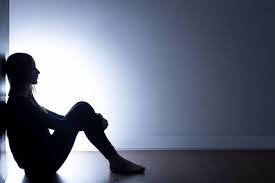
Abusers often erode identity in subtle, consistent ways:
- constant criticism
- questioning your judgement
- undermining your choices
- monitoring or controlling daily decisions
- creating fear around “getting it wrong”
- slowly disconnecting you from friends, hobbies, routines, and independence
When your inner world is attacked over time, self-doubt becomes a habit. Second-guessing yourself becomes normal. Trusting your instincts feels risky.
And when you’ve lived in a space where you weren’t allowed to exist freely, it makes perfect sense that you might not know who you are anymore.
How Domestic Abuse Affects Your Identity
One pattern I hear repeatedly from clients, and one I can particularly relate to, is how their identity as a parent became undermined. They describe being observed during everyday tasks, criticised for doing things “wrong”, or told they needed help with basic routines. That kind of constant monitoring and belittling erodes confidence and deeply affects how someone sees themselves, both as a parent and as a woman.
Abuse leaves very little space for you to be yourself.
And absolutely no space for you to grow into who you want to be.
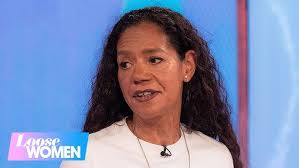
What Inspired This Blog Today
This blog was sparked by watching a guest on Loose Women sharing her story for ITV’s Facing It Together domestic abuse campaign. She described functioning “normally” in her work as an actress, while privately living with abuse. What stayed with me was something incredibly simple: choosing between tea or coffee.
During her relationship, even tiny decisions were controlled, criticised, or carried consequences. Now, she notices the freedom to choose an apple or a banana, to put the milk on the fridge door or the shelf, things so small most people don’t even register them.
For many survivors, part of healing is relearning your own preferences, the small, everyday choices you never had the freedom to explore before.
These moments help you piece together who you are again.
How You Lose Your Sense of Self in an Abusive Relationship
You may lose your identity because:
- Your choices were criticised or controlled
When everyday decisions are policed, you stop trusting your own judgement.
- You lived in a state of hypervigilance
You’re constantly scanning for someone else’s mood, not your own needs.
- You had to shrink yourself to stay safe
You become smaller, quieter, more apologetic. Your identity adapts to survive.
- Your friendships, hobbies or routines were restricted
Without freedom to explore yourself, identity can’t grow.
- You were blamed or gaslit
When you’re told your reality is wrong, you learn to doubt everything, including yourself.
It’s important to say that you don’t need to have experienced all of these behaviours for your relationship to have been abusive. For many people, only one or two of these patterns were present, and that was enough to cause deep harm. Abuse doesn’t have to tick every box on a list. If your sense of self was eroded, controlled, or undermined, that experience is valid.
Please don’t doubt yourself.

How to Rebuild Your Identity After Abuse
Recovery isn’t about becoming a new person; it’s about rediscovering the parts of you that were hidden, silenced, or never allowed to emerge. Of cause you would have evolved as a person too, but that doesn’t overwrite your identity. It adds to it. Healing combines who you were, who you had to be to survive, and who you are becoming now. Some gentle ways identity begins to rebuild include:
- Noticing what you genuinely like
Foods, music, clothes, films, hobbies, without judgement or consequences.
- Reconnecting with your body
Somatic awareness, grounding, breathwork, and nervous system regulation help you feel safe enough to explore who you are.
- Reclaiming your space
Decorating your home how you like, setting boundaries, and choosing routines that feel nourishing.
- Rediscovering your values
What matters to you? What do you care about? What do you want your life to stand for? This is a big one!
- Trying new things without seeking permission
Small experiments rebuild confidence: picking the meal, choosing the film, buying something that feels like “you”.
- Celebrating freedom
Even choosing where to keep the milk can be powerful, it shows you’re no longer living under control.
Why It’s Okay If You Still Feel Emotional Years Later
Jaye Griffiths on Loose Women became emotional while reflecting on her past, and many survivors relate to that. Society often expects people to be “over it” within months, and survivors worry they’re being judged as stuck or bitter if they’re still moved by their experience years later.
But here’s the truth:
Being emotional doesn’t mean you haven’t healed. It means you’re human.
Domestic abuse changes your life. It’s not something you forget, it’s something you move forward with. You evolve, grow, and become wiser, but you don’t have to erase your past to prove you’ve healed.
Being Compassionate To Yourself
Rebuilding your identity after domestic abuse is not about reinventing yourself. It’s about gently discovering the parts of you that were pushed down or never had space to breathe.
Healing takes time.
Identity takes time.
And you don’t have to do any of it alone. And dare I say it, it can be an exciting process. One I love supporting my clients with.